
 Image 1 of 2
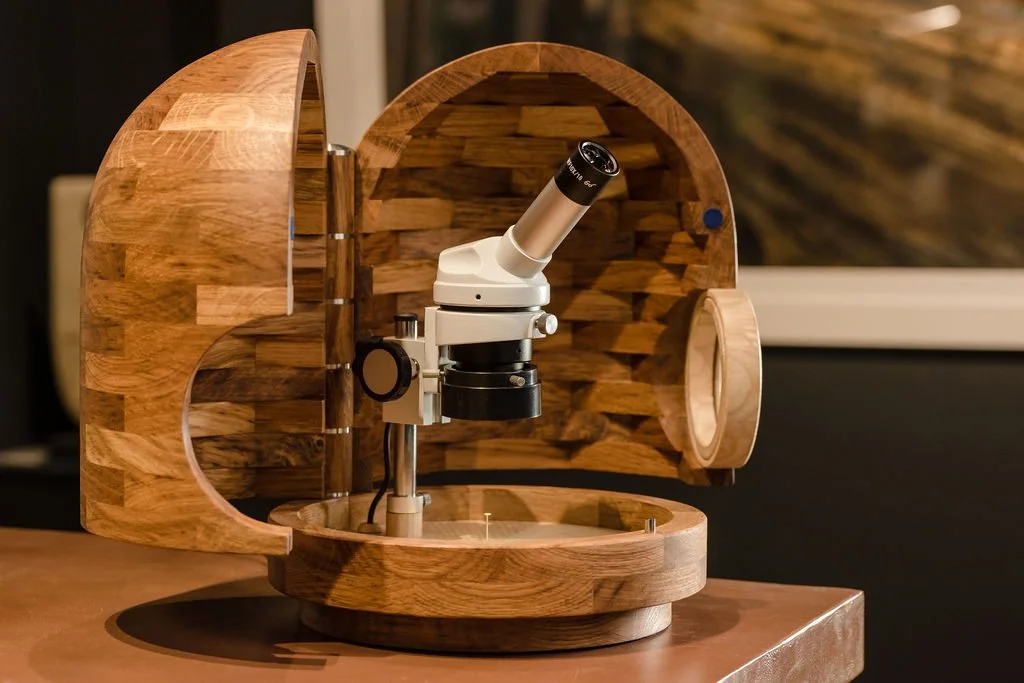 Image 2 of 2
Medium: Micro-Engraving Inside the Eye of a Needle
Presentation: Bespoke Wooden Display Case with Integrated Microscope and Lighting System
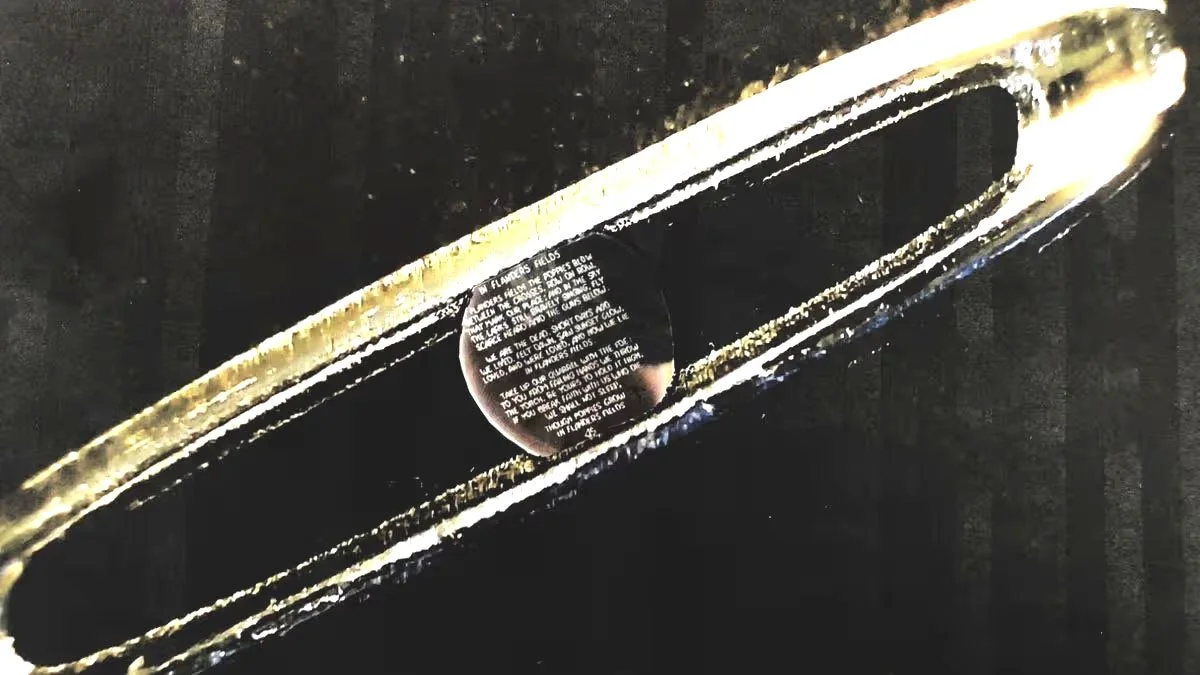
This deeply moving micro‑engraving pays tribute to one of the most significant remembrance poems of the First World War, engraved entirely by hand inside the eye of a needle. At a scale invisible to the naked eye, the full poem is meticulously inscribed line by line, honouring the soldiers who served and the enduring symbolism of remembrance. Only under high magnification does the text reveal itself, perfectly spaced, astonishingly crisp, and profoundly affecting.
Working inside the eye of a needle is one of the most technically demanding feats in miniature art. The interior offers only a few millimetres of workable space, requiring absolute stillness and precision. Under a powerful microscope, Graham Short uses ultra‑fine needles and custom‑engineered tools to carve each microscopic letter with near‑motionless accuracy. Every stroke must be executed one movement at a time, with spacing, alignment, and legibility maintained at a scale measured in microns. Even the smallest elements, the rhythm of the lines, the balance of the stanza layout, the clarity of each character, demand extraordinary control.
Short’s famously disciplined working methods underpin the creation of this piece: late‑night sessions when vibrations are minimal, controlled breathing, and pulse‑slowing techniques that allow him to engrave with absolute steadiness. The result is a miniature artwork that captures both the technical brilliance of the craft and the emotional weight of remembrance.
To honour the significance of the poem and the craftsmanship involved, the engraving is presented in a bespoke wooden display case designed specifically for needle‑eye artworks. The integrated microscope and adjustable lighting system allow viewers to explore the text in perfect clarity, revealing details that would otherwise remain invisible. The warm wood, precision optics, and soft illumination create a museum‑grade presentation that elevates both the artistry and the solemnity of the subject.
Medium: Micro-Engraving Inside the Eye of a Needle
Presentation: Bespoke Wooden Display Case with Integrated Microscope and Lighting System
This deeply moving micro‑engraving pays tribute to one of the most significant remembrance poems of the First World War, engraved entirely by hand inside the eye of a needle. At a scale invisible to the naked eye, the full poem is meticulously inscribed line by line, honouring the soldiers who served and the enduring symbolism of remembrance. Only under high magnification does the text reveal itself, perfectly spaced, astonishingly crisp, and profoundly affecting.
Working inside the eye of a needle is one of the most technically demanding feats in miniature art. The interior offers only a few millimetres of workable space, requiring absolute stillness and precision. Under a powerful microscope, Graham Short uses ultra‑fine needles and custom‑engineered tools to carve each microscopic letter with near‑motionless accuracy. Every stroke must be executed one movement at a time, with spacing, alignment, and legibility maintained at a scale measured in microns. Even the smallest elements, the rhythm of the lines, the balance of the stanza layout, the clarity of each character, demand extraordinary control.
Short’s famously disciplined working methods underpin the creation of this piece: late‑night sessions when vibrations are minimal, controlled breathing, and pulse‑slowing techniques that allow him to engrave with absolute steadiness. The result is a miniature artwork that captures both the technical brilliance of the craft and the emotional weight of remembrance.
To honour the significance of the poem and the craftsmanship involved, the engraving is presented in a bespoke wooden display case designed specifically for needle‑eye artworks. The integrated microscope and adjustable lighting system allow viewers to explore the text in perfect clarity, revealing details that would otherwise remain invisible. The warm wood, precision optics, and soft illumination create a museum‑grade presentation that elevates both the artistry and the solemnity of the subject.